
Shopify vs. Wix: Which Platform Fits Your Online Shop?
Anyone starting an online shop almost inevitably ends up debating Wix vs. Shopify. In this article I break down the key differences, give honest recommendations for both systems, and explain when switching from Wix to Shopify makes sense.
What fundamentally separates Wix and Shopify
The most important difference fits in one sentence: Wix is an all-in-one website builder that also offers shop functionality. Shopify is a pure e-commerce platform that does nothing else. That's exactly why Shopify is so strong in e-commerce — the platform has specialized exclusively in online retail for almost twenty years. Every feature, every update, every new integration is optimized for selling. At Wix, development energy is spread across blogs, portfolios, restaurant booking systems, hotel sites, and much more.
That heritage shapes the platforms to this day. Wix gives you a flexible editor and beautiful templates, but with a growing catalog, multichannel sales, or international expansion you hit limits. Shopify is slightly more constrained on layout-level design flexibility, but inventory, checkout, shipping, and apps work as one cohesive system.
When Wix really is the right choice
Most comparison articles dismiss Wix as „not suitable for e-commerce". That's too easy for us — but we're also not pretending Wix fits many scenarios. Wix is the right choice when you want to sell a handful of products without diving deep into a shop platform. Classic examples: artists selling a few works on the side, coaches offering one or two digital products, photographers with a small print shop, or service providers selling a few physical products on the side. Anyone who simply wants to test something without high fixed costs and without a learning curve is in the right place.
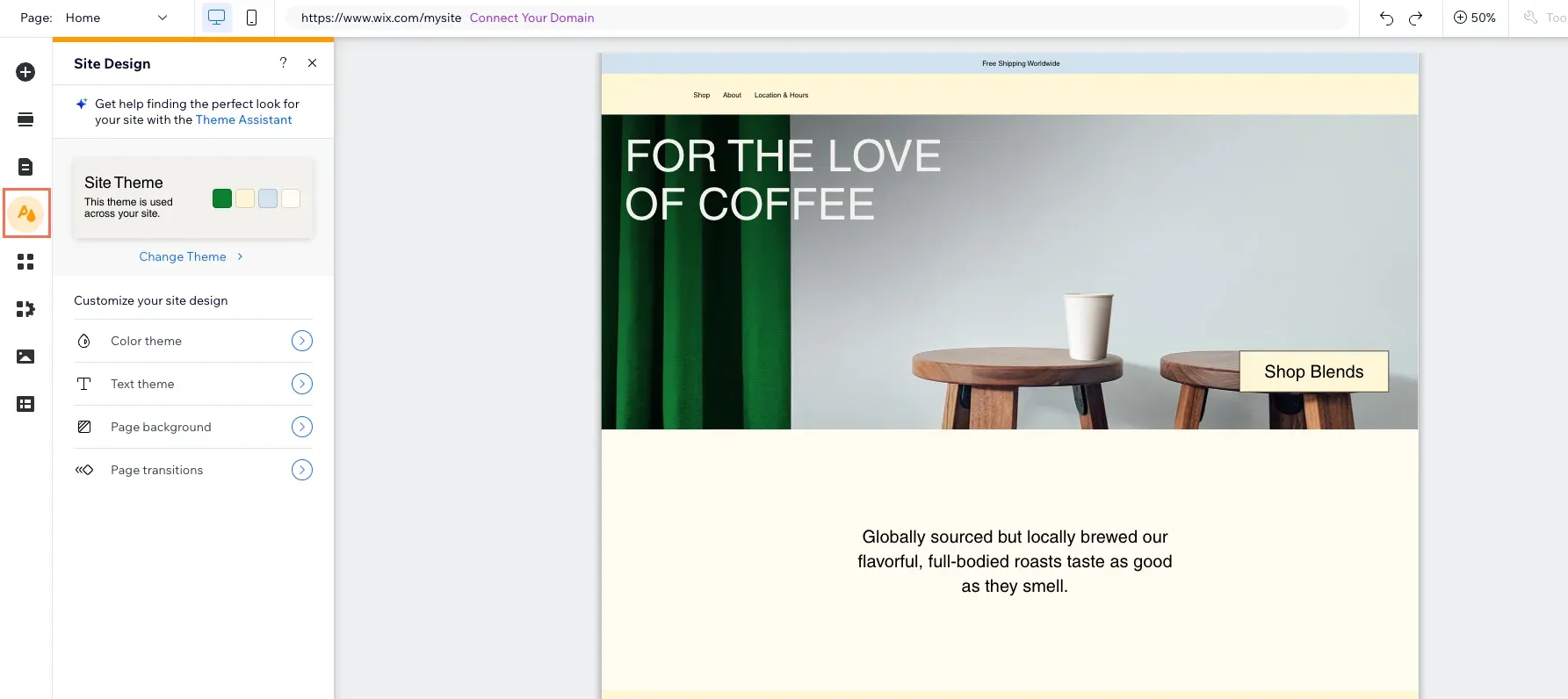
But the moment you want to run e-commerce seriously — actually generate revenue, actively market your products, and build a shop that's meant to grow — I recommend going with Shopify from day one. Even if the learning curve is a bit steeper and the start looks more technical at first glance: you'll save yourself a platform migration one to two years later. And you don't want to migrate platforms once your shop is running. That costs money, nerves, and in the worst case SEO visibility.
When Shopify is clearly superior
The moment e-commerce becomes — or is meant to become — your main business, the picture flips. Shopify is built for scale — from one product to hundreds of thousands, from one region to global brands. The App Store with over 8,000 extensions covers everything relevant in online retail: email marketing, reviews, subscriptions, abandoned-cart recovery, loyalty, fulfillment, and ERP integrations.
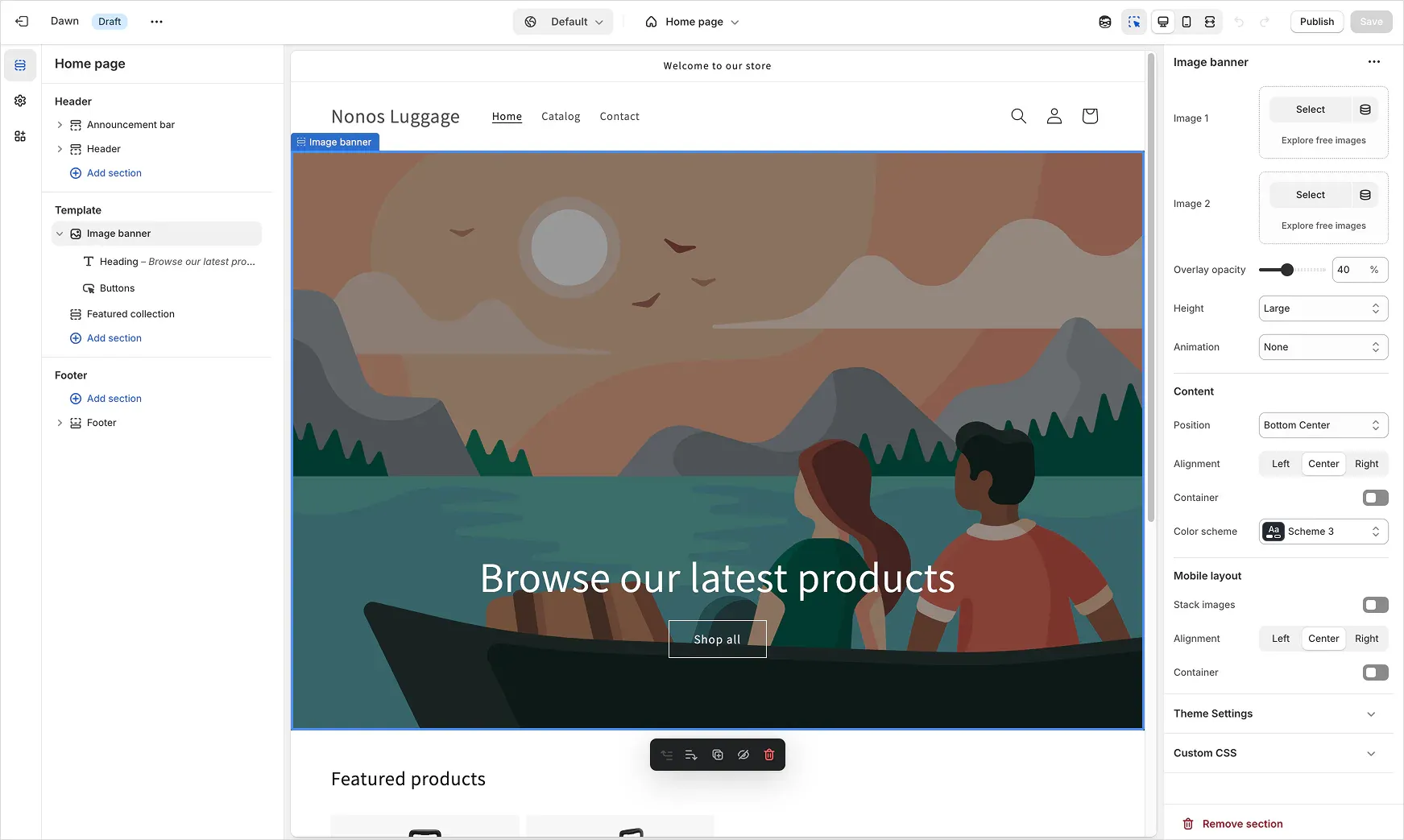
The Shopify checkout is one of the highest-converting checkout experiences on the market. Payment via Shop Pay, Apple Pay, PayPal, and local methods is integrated by default. Multichannel sales via Instagram, TikTok, Amazon, or your own POS work without extra tools. Multi-language, multi-currency, international markets — all built into the system without workarounds.
For 6- and 7-figure brands, Shopify is usually the only sensible choice among the major platforms. App variety, theme ecosystem, and the open Liquid templating language give you enough room to truly tailor your shop to your brand and processes.
High-converting checkout
Shop Pay, Apple Pay, PayPal, and local payment methods integrated by default — Wix can't match it on conversion rates.
8,000+ apps
What you have to solve on Wix with workarounds and multiple tools exists on Shopify as a cleanly integrated app. Wix offers around 300 extensions in comparison.
Scale & multichannel
Multi-currency, multi-language, international markets, Instagram, TikTok, Amazon, POS — all built into the system without additional tools.
SEO and page speed: an often underestimated point
Anyone betting on long-term organic traffic should look closely at the SEO capabilities of both systems. Both platforms allow editing meta titles, descriptions, and URLs, both offer clean sitemaps and mobile optimization. In practice, however, I see clear differences.
Shopify has a mature SEO ecosystem with specialized apps for schema markup, redirect management, image optimization, and content structures. URL logic is clearly defined, the theme layer can be cleanly controlled for SEO, and performance is at a stable level. Wix has caught up significantly in recent years, but the output is often JavaScript-heavy and harder to control.
The difference becomes especially clear with page speed. Page performance studies show that Wix sites often struggle with load times between 4 and 9 seconds on desktop. On mobile the numbers are sometimes even more dramatic. Shopify shops typically come in out-of-the-box around 1 to 4 seconds — already significantly better. With targeted optimization, my Shopify shops usually reach load times around 1.5 seconds, sometimes faster. That's a range Wix shops realistically can't hit, no matter how much you optimize images and apps — the platform architecture sets a ceiling.
Why does this matter? Page speed has been a confirmed Google ranking factor for years and a direct conversion lever. Every second of load time can noticeably push down conversion rate. For content-centric sites with few products, Wix is okay performance-wise. For e-commerce brands that need to rank and convert, Shopify is the more robust foundation.
Real-world costs
The two platforms differ significantly in pricing structure and logic. Wix has four paid tiers, Shopify has five. Here's an overview of current pricing (annual plans, as of 2026):
Wix (with e-commerce)
| Plan | Price per month | Storage | Best for |
|---|---|---|---|
| Light | €17 | 2 GB | Websites without a shop |
| Core | €24 | 50 GB | E-commerce entry |
| Business | €35 | 100 GB | Advanced shop features |
| Business Elite | €125 | unlimited | Larger shops |
Shopify
| Plan | Price per month | Best for |
|---|---|---|
| Starter | €5 | Selling via social media |
| Basic | €25 | Entry, small shops |
| Grow | €66 | Growing shops |
| Advanced | €289 | Established shops with high volume |
| Plus | from $2,300 | Enterprise and Plus shops |
At first glance, entry prices look comparable. Wix Core is €24/month, Shopify Basic is €25. The difference shows once your shop grows. With Wix, plan costs jump abruptly the moment you want advanced e-commerce features like automated taxes, multi-currency, or dropshipping. Shopify scales more granularly and primarily reduces transaction fees with higher tiers — an effect that saves growing shops more money than the higher tier itself costs.
Both platforms add app costs on top. Wix offers around 300 extensions, Shopify over 8,000. What you have to solve on Wix with creative workarounds and multiple tools exists on Shopify as a cleanly integrated app. Shopify charges transaction fees if you don't use Shopify Payments. The moment you activate it, those fees go away. Wix doesn't charge Shopify-equivalent transaction fees, but advanced analytics, multichannel features, and multilingual shops are often only available on higher tiers.
When switching from Wix to Shopify makes sense
There are three clear indicators that your shop has outgrown Wix:
1. Catalog grows
Over 50 products and management gets messy.
2. Multichannel & international
You want to sell across multiple channels and markets — Wix holds you back.
3. SEO as a growth lever
Visibility becomes seriously important and Wix doesn't produce the output you need.
A Wix-to-Shopify migration is well-plannable. Products, customers, orders, and content can be transferred, URLs need to be cleanly redirected, and the theme is rebuilt on the Shopify side. Done systematically, you have a fully migrated shop in four to six weeks. More on the process on my Shopify Migration page.
Conclusion: Wix or Shopify — the honest decision
6- and 7-figure brands find on Shopify the stable foundation they need for sustainable growth. I see it in my consulting daily: the right platform choice is one of the most important strategic decisions in e-commerce. Choosing right from the start saves you a migration years later.
Frequently asked questions
Is Wix or Shopify cheaper?
For small shops with under 30 products, Wix is generally cheaper. Once app costs, multichannel features, and transaction volume come into play, Shopify becomes more economical — especially because Shopify Payments reduces transaction fees to zero.
Can I switch from Wix to Shopify without losing SEO rankings?
Yes, but only with a clean 301 redirect matrix and a structured transfer plan for meta data, URLs, and content. Done systematically, rankings stay stable or even improve thanks to better performance on Shopify.
Which platform is better for SEO?
Both offer SEO basics like meta data, sitemaps, and URL editing. Shopify has the more robust ecosystem with specialized SEO apps and is easier to optimize on pagespeed. Wix has caught up but still lags on JavaScript output and performance control.
When does Shopify pay off vs. Wix?
The moment e-commerce is — or is meant to become — your main business. Concrete thresholds: over 50 products, multichannel plans, international expansion, or SEO as a serious growth channel. By then at the latest, Shopify is the strategically right choice.

Need help choosing
the right theme?
As Shopify experts, we're happy to advise you on choosing the right theme and optimising your store.